The Allure of an Epoxy Garage Floor

Our most popular article warns against applying epoxy to the garage floor, because it’s too easy to get it wrong. But what exactly goes wrong, and what happens if you apply it correctly? Let’s explore the pros and cons.
Epoxy is amazing for its ability to block water seeping up from below, and to resist dirt, chemicals, and oil that fall on it from above. However, if any part of the application goes wrong, the coating can fail dramatically.
A common issue for homeowners is moisture seeping into the garage floor from the ground below. This water can lead to cracks, erosion, and mold, making a moisture barrier essential.
An epoxy coating is a popular choice for its high moisture blocking and glossy good looks. According to experts at Concrete Guy MN, it provides a durable, water-resistant barrier that also resists damage.
Epoxy is a highly customizable and durable material that creates a protective seal resistant to scratches, scuffs, and other impacts. You can choose from a wide range of colors and patterns to create a unique and stylish look for your garage.
While we did say I Will Never Epoxy My Garage Floor (What I Will Do Instead), we know people still want to use it. Our goal is to help you achieve a beautiful result, free from bubbles, delamination, and loss of adhesion.
Unbeatable Durability Against Wear and Tear

One of the primary reasons to choose epoxy is its incredible strength. When applied to a concrete floor, epoxy forms a powerful chemical bond that significantly improves the floor’s resilience.
This bond improves the floor’s resistance to daily wear and tear, abrasion, and impacts. It stands up to the rigors of a busy garage environment.
Epoxy provides robust protection from hot tires, chemical spills, and tools accidentally dropped from pegboards.
While we still advocate hiring a professional for epoxy application, a DIY job can succeed if you are careful and follow instructions closely.
The stellar performance of a properly applied epoxy coating is undeniable, especially when it comes to protecting your concrete investment for the long term.
Superior Protection from Chemicals and Spills
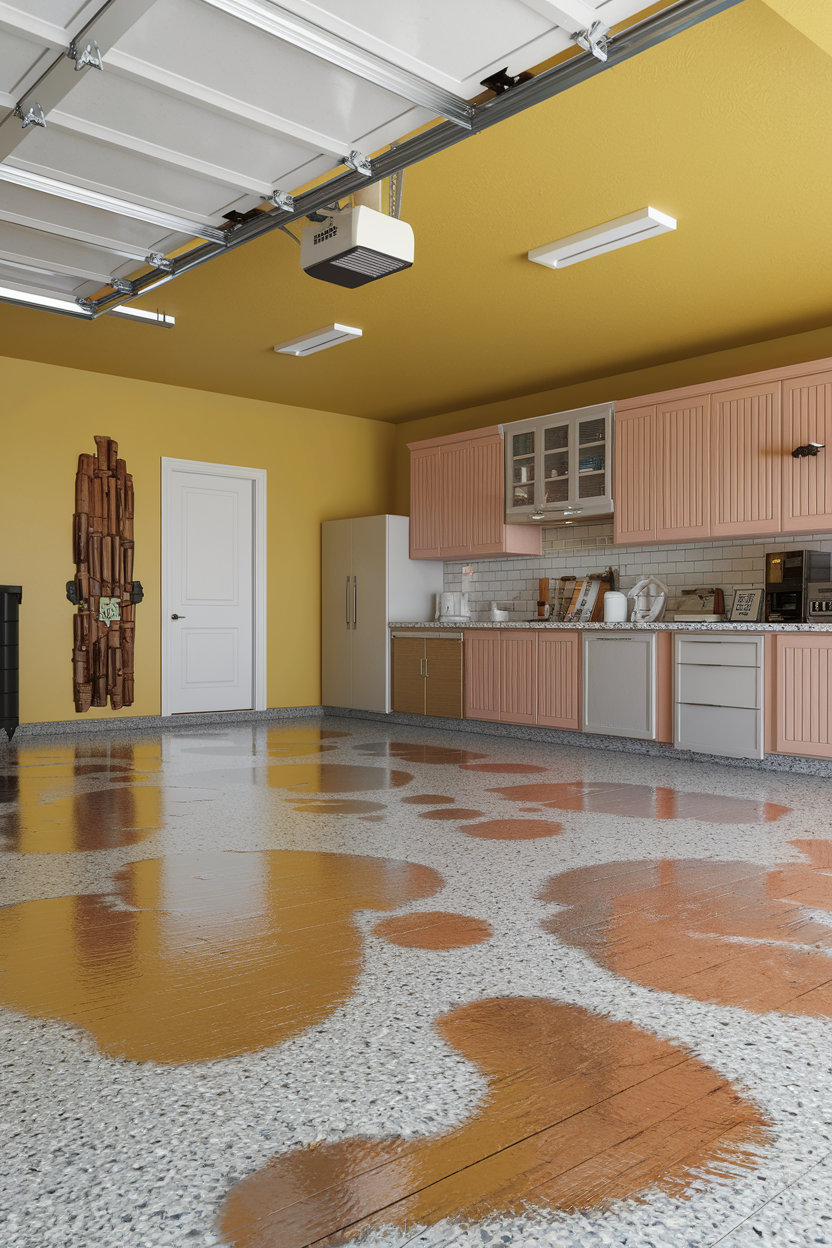
Garages are tough environments where oil, gasoline, and solvents can easily stain and degrade a bare concrete floor. These substances don’t just look bad; they can tear away at the integrity of the concrete itself.
Epoxy coatings create a non-porous shield that is highly resistant to these harsh substances. This barrier prevents stains and damage from spills.
By blocking these chemicals, an epoxy floor helps maintain the structural integrity and clean appearance of your garage floor over time.
This chemical resistance makes cleanup a breeze and stops corrosive materials from penetrating and weakening the concrete slab.
The Best Defense Against Moisture Seepage

Only solvent-based polyurethane comes close to epoxy’s ability to stop water from entering the floor. Epoxy sealers create a strong, impermeable layer on the concrete surface that is second to none.
If you have a membrane moisture barrier installed under your garage slab, an epoxy coating will make the floor as close to waterproof as possible.
Even without a sub-slab membrane, epoxy is still the best defense against unwanted moisture seepage from the ground up.
This protection is also crucial for preventing damage from the freeze-thaw cycle, where water absorption causes the floor to contract and expand. An unprotected garage floor will eventually crack and spall under this stress.
Before coating, it’s vital to fix existing garage floor cracks to prepare it for a perfect finish.
Enhanced Safety and Effortless Maintenance
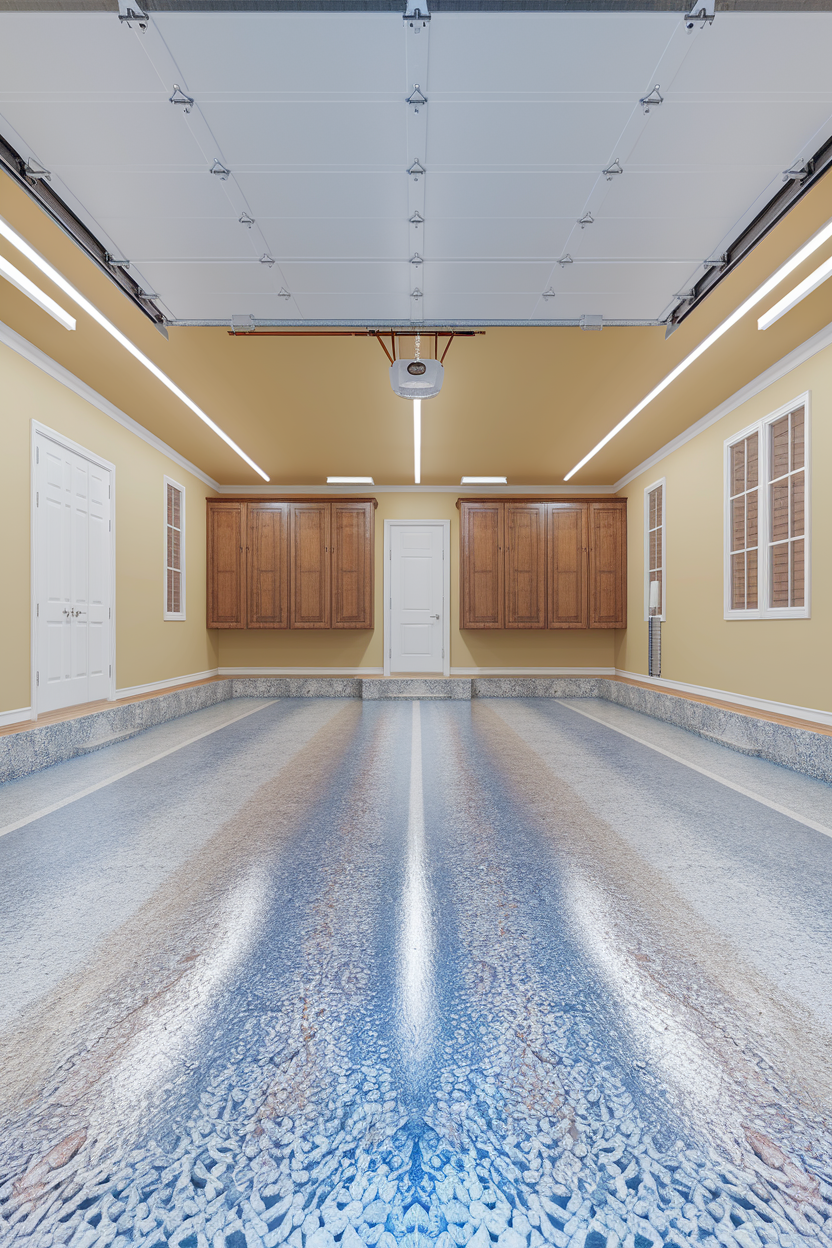
A glossy floor might seem slippery, but epoxy coatings can be customized for safety. You can include slip-resistant additives to add significant traction, even when the floor is wet or oily.
Common additives include sand and fine aggregate, which create a textured surface that reduces slipperiness. This feature makes your garage safer by helping to prevent accidents from slips and falls.
Beyond safety, epoxy is perhaps the easiest moisture barrier to clean. It outperforms penetrating sealants, acrylic coatings, and untreated concrete in this regard.
Epoxy is resistant to chemicals, gas, oil, abrasion, and wear. It resists dirt, dust, and debris buildup.
Cleaning an epoxy floor does little to wear away the protective coating, which reduces the long-term wear and tear associated with maintenance activities.
The Hidden Danger: When Epoxy Goes Wrong

Applied correctly, epoxy blocks moisture from beneath and protects the concrete. Applied incorrectly, it can cause all sorts of moisture-related problems.
If the epoxy bond is unstable, moisture rising from the concrete slab can get trapped and cause significant floor damage. This is a primary drawback highlighted by flooring experts like Garage Force.
This moisture transmission occurs due to capillary action or hydrostatic pressure within the concrete.
When trapped water meets an impermeable epoxy barrier, it can cause various issues, such as delamination, blisters, bubbles, efflorescence, mold, or mildew.
It’s critical to dry out the floor completely before application. Learn more about the challenges here: Can You Really Waterproof a Garage Floor?
What Causes Delamination and Blistering?
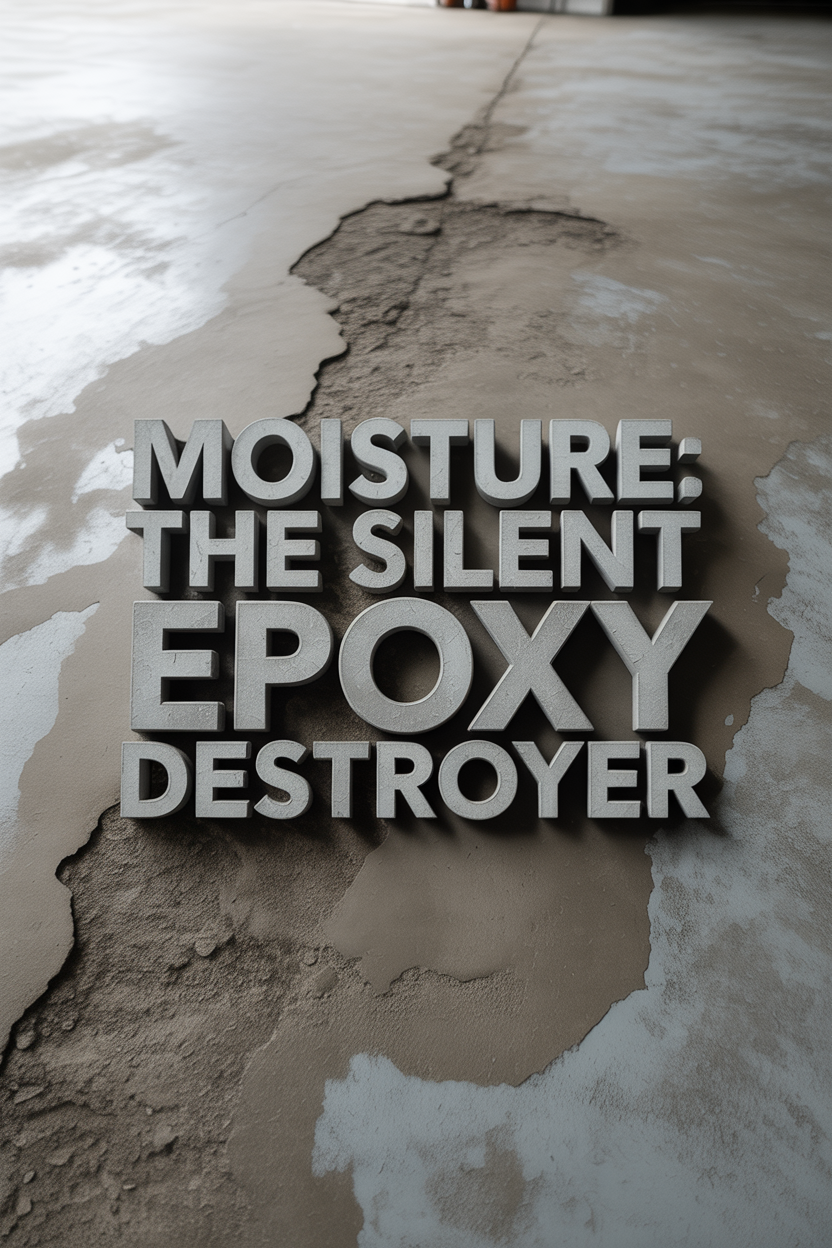
If moisture is present in the concrete when the epoxy is applied, it can compromise the installation. Even if moisture accumulates beneath the epoxy layer over time, it will weaken the bond between the coating and the concrete.
The trapped moisture can cause the epoxy to lose its adhesion to the concrete surface. This forces the coating to separate from the concrete slab.
This delamination appears as large sections of the coating peeling or lifting off the garage floor.
Moisture is the number one cause of delamination and blistering.
How Can I Prevent Cracking and Other Damage?

An improper epoxy application that traps moisture will contribute to the deterioration of the concrete slab itself. This can lead to spalling, cracking, or a complete breakdown of the concrete surface.
If your floor already shows these signs, you need to address them. Read our guide: How Do You Fix Garage Floor Spalling and Pitting?
Additionally, moisture vapor can carry salts and minerals from within the concrete to the surface. When they crystallize under the coating, they form a white, powdery deposit known as efflorescence.
This deposit is not only unsightly, but it also creates pressure that can weaken the bond between the epoxy and the concrete.
Finally, trapped moisture creates the perfect environment for mold and mildew growth, which can lead to unpleasant odors and potential health concerns.
The Critical First Step: Moisture Testing and Diagnosis

To prevent epoxy failure, you must follow application instructions to the letter. This process begins with understanding your concrete’s moisture level.
Conduct a moisture test before you even think about applying the epoxy. The floor must be dry enough for the epoxy to adhere properly.
There are several methods for testing moisture, including professional-grade calcium chloride tests and relative humidity (RH) tests.
If moisture levels are too high, you must determine the cause. Common sources include groundwater seepage, poor drainage, leaky pipes, or an inadequate vapor barrier beneath the slab.
Essential Concrete Preparation: Drying and Repair
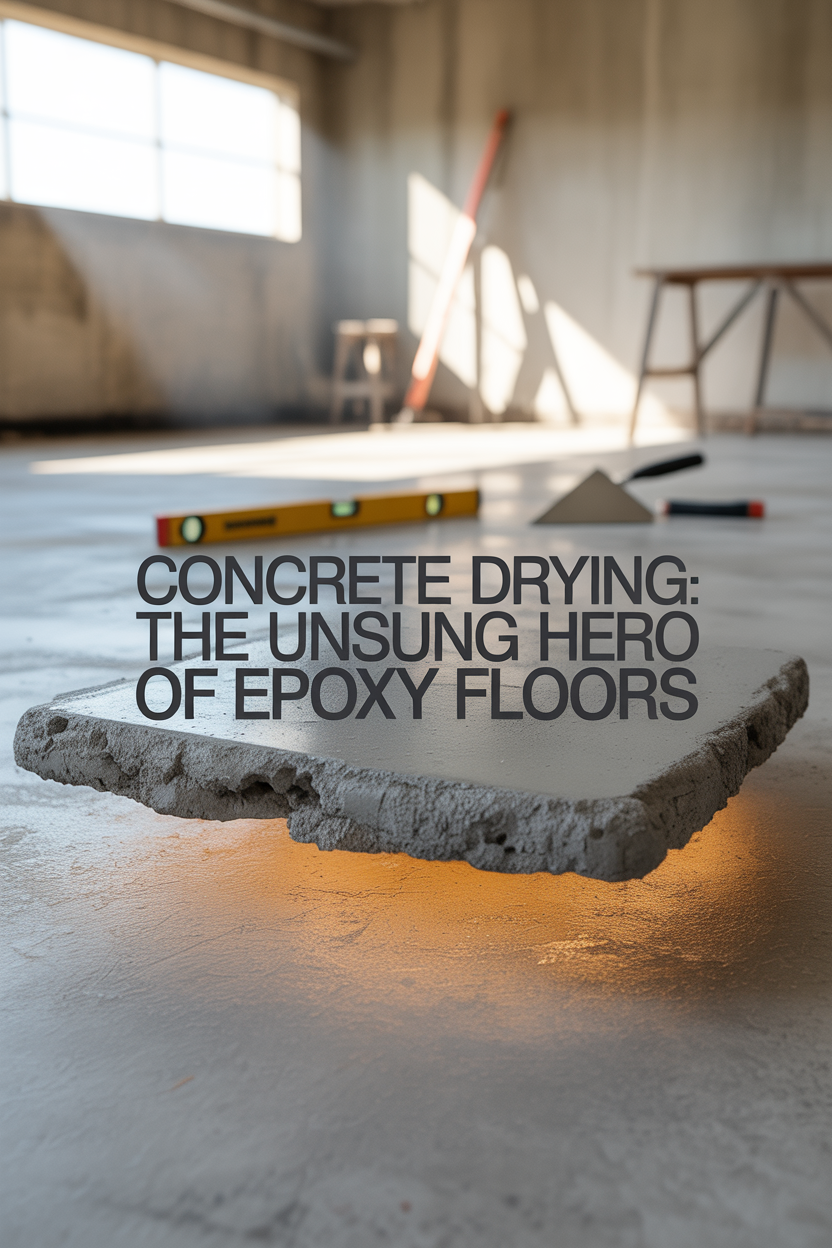
Once you’ve diagnosed a moisture issue, you must address it. New concrete takes at least 28 days to cure, and older slabs may need weeks or months to dry out fully.
Improve the drainage around the garage. This may involve redirecting downspouts, installing French drains, or grading the landscape to direct water away from the foundation.
Inspect the floor for any cracks, spalling, pitting, or other damage. Use a concrete repair product, like epoxy filler, to fix these imperfections and level any uneven areas.
Be sure to follow all instructions for curing repair materials. For a detailed guide, read: How Do You Fix Garage Floor Cracks?
If moisture issues are severe, consider applying a penetrating sealer or a special moisture-blocking primer designed for damp concrete before your epoxy coat.
Final Surface Prep for a Flawless Bond

Surface preparation is essential and includes cleaning, etching, and possibly grinding the concrete. Improper prep is a primary cause of failure.
First, thoroughly clean and prepare the concrete surface. Use a broom or vacuum to remove all dirt, then use a degreaser to remove any oil or grease stains.
Next, you must profile the concrete to create a rough texture for the epoxy to grip. This is done with either acid etching or mechanical grinding.
If you used acid, you must neutralize the surface and then thoroughly rinse the entire floor. Allow the floor to dry completely, which can take a day or more.
Finally, remember that epoxy has a limited “pot life.” You have a short time after mixing to get it onto the floor in thin, even layers before it hardens.
Some systems also recommend a primer to improve adhesion. If so, follow the manufacturer’s instructions for application and curing before applying the main epoxy coats.
The Final Verdict: Is an Epoxy Floor Right for You?

So, do you feel ready to epoxy your garage floor? Did you conquer moisture issues, repair the cracks, and master the art of concrete prep?
Successfully applying epoxy hinges on your willingness to follow every step without shortcuts. It requires patience, attention to detail, and near-zero tolerance for moisture.
If the intensive prep work seems daunting, it may be wise to either hire a professional or consider an alternative flooring solution.
For those who decide against the challenge, there are excellent alternatives. These include interlocking tiles and heavy-duty mats.
If you choose to proceed, good luck with the project. Here’s to achieving that perfect, long-lasting epoxy bond!